by Robert Borges on January 7, 2026
Top Retirement Community Options for Independent, Socially Engaged Retirees
- Active Adult (55+) Communities – Lifestyle-focused neighborhoods designed for independence, amenities, and social connection
- Independent Living Communities – Maintenance-free living with optional services and robust activity calendars
- Lifestyle Communities – Master-planned or gated communities centered around golf, fitness, wellness, clubs, and social engagement
For today’s retirees, independence doesn’t mean isolation—and community doesn’t mean giving up control. The best retirement communities now prioritize autonomy, connection, and peace of mind, without medical-focused messaging or unnecessary restrictions.
What Today’s Independent Retirees Are Really Looking For
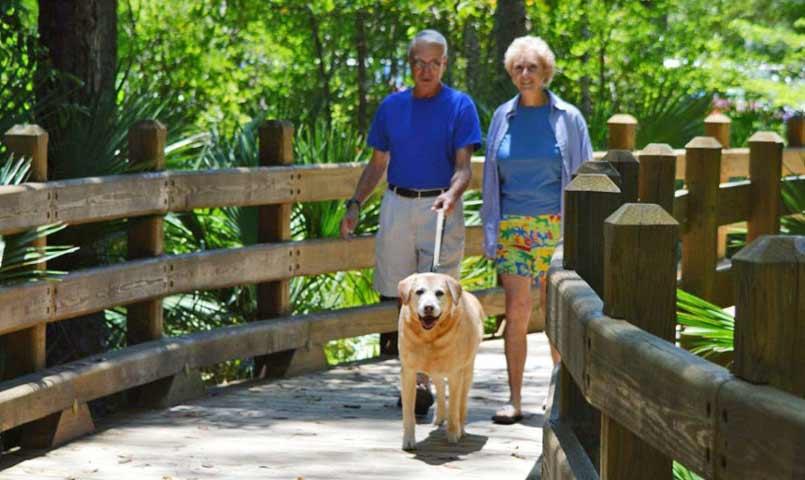
Many retirees entering their mid-60s share a similar mindset: they feel healthy, capable, and excited about what’s next. They want a lifestyle that feels easier and safer—but not one that treats them like they need care they don’t require.
Common priorities include:
- Staying socially active and meeting like-minded peers
- Living in a secure, well-maintained environment
- Reducing home maintenance without sacrificing independence
- Access to fitness, wellness, and enrichment activities
- Planning wisely for the future—without fear-based decisions
At Private Communities Registry (PCR), we regularly hear from retirees who want choice, flexibility, and dignity—not labels or limitations.
Active Adult vs. Independent Living vs. Assisted Living: What’s the Difference?
Understanding these distinctions is essential when choosing the right fit.
Active Adult (55+) Communities
- Designed for independent residents
- No medical care component
- Amenities may include fitness centers, clubs, social events, and recreation
- Homes are often single-family or low-maintenance townhomes
Independent Living Communities
- Maintenance-free living with optional conveniences
- Robust social calendars and wellness programming
- No daily medical care required
- Ideal for retirees who want simplicity without supervision
Assisted Living Communities
- Offer personal or medical care support
- Appropriate when help with daily activities is needed
For retirees who value independence, active adult and independent living communities provide lifestyle-first options—without the clinical feel many want to avoid.
Are There Senior Communities with Lively Social Calendars?

Yes—and for many retirees, this is one of the biggest draws.
The most engaging senior communities offer:
- Resident-led clubs and interest groups
- Fitness classes, walking groups, and wellness programs
- Social events, happy hours, and themed gatherings
- Educational workshops and lifelong learning opportunities
- Entertainment, excursions, and travel clubs
In the strongest lifestyle communities, these activities aren’t imposed or overly structured. Instead, they are shaped by the residents themselves. Book clubs, pickleball leagues, golf groups, volunteer organizations, and informal social gatherings often form organically, creating a sense of belonging without obligation.
Many independent retirees find that moving into a socially active community actually expands their social circle—especially after leaving the workplace or relocating to a new area. The ability to engage when you want, step back when you don’t, and always feel welcome is a hallmark of well-designed active adult and independent living communities.
How Maintenance-Free Living Enhances Independence
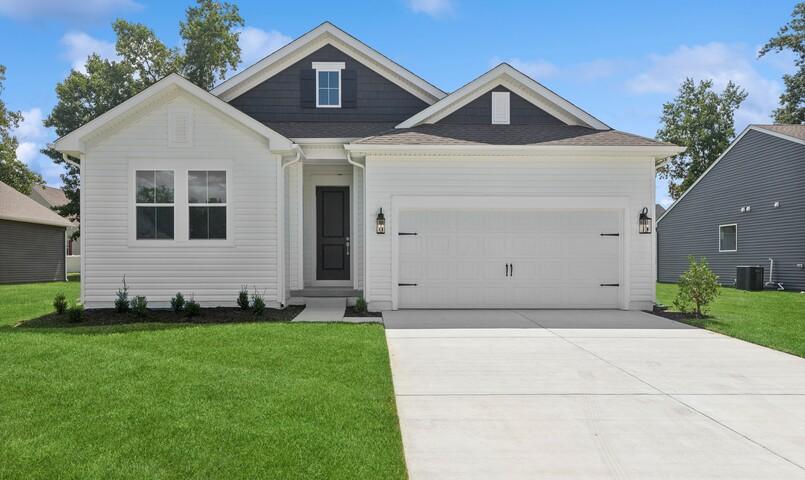
Letting go of home maintenance doesn’t mean giving up control—it often means gaining it.
Maintenance-free retirement living typically includes:
- Lawn care and exterior upkeep
- Home repairs handled by the community
- Amenities managed without individual responsibility
This allows retirees to spend less time managing a home and more time enjoying hobbies, relationships, and travel—while still living independently.
Affordability, Fees, and Long-Term Planning: What to Know
Many communities for active retirees offer condos, townhomes, villas, and single-family homes that are very affordable. However, cost transparency matters—especially for retirees planning for long-term stability.
Before choosing a community, it’s wise to ask:
- What does the HOA or monthly fee include?
- Are amenities optional or bundled?
- How have fees changed historically?
- What services cost extra?
In many active adult and lifestyle communities, monthly fees may cover exterior maintenance, landscaping, amenities, security, and shared facilities. Utilities, clubs, or premium services may be separate, depending on the community.
What’s important is not just the price—but predictability. Retirees often tell PCR they value communities that clearly communicate costs upfront and allow them to plan confidently without fear of unexpected expenses.
Choosing a lifestyle-focused community today doesn’t mean committing to care-based living in the future. Instead, it allows retirees to enjoy independence now while knowing they’ve made a thoughtful, forward-looking decision.
How to Choose the Right Community Without Losing Autonomy

The best communities empower residents rather than restrict them.
Look for:
- Flexible lifestyles, not rigid schedules
- Resident input in clubs and activities
- Transparent pricing and governance
- A culture that feels welcoming—not institutional
Avoid communities that emphasize care before lifestyle if independence is your top priority.
Where Independent Retirees Are Choosing to Live: Popular States and Regions
Location plays a major role in finding the right lifestyle fit, and many retirees begin their search by exploring regions that align with their interests, climate preferences, and long-term plans.
Across the U.S., PCR features prominent active adult and lifestyle communities in:
- Florida – A top choice for warm weather, resort-style amenities, and year-round social programming
- North Carolina & South Carolina – Popular for their mix of coastal living, mild seasons, and master-planned communities
- Tennessee & Georgia – Attractive for lower taxes, scenic settings, and strong community engagement
- Arizona & the West – Known for wellness-focused lifestyles and active outdoor living (see more communities in California, Nevada, Texas, Utah, Idaho, and Washington)
- Mid-Atlantic & Northeast – Ideal for retirees who want seasonal living and proximity to family (think Pennsylvania, Delaware, Virginia, West Virginia, and New Hampshire)
By exploring communities by state or region, retirees can compare lifestyle offerings, amenities, and costs—ensuring the community fits both their personality and long-term goals.
Why Independent Retirees Trust PCR
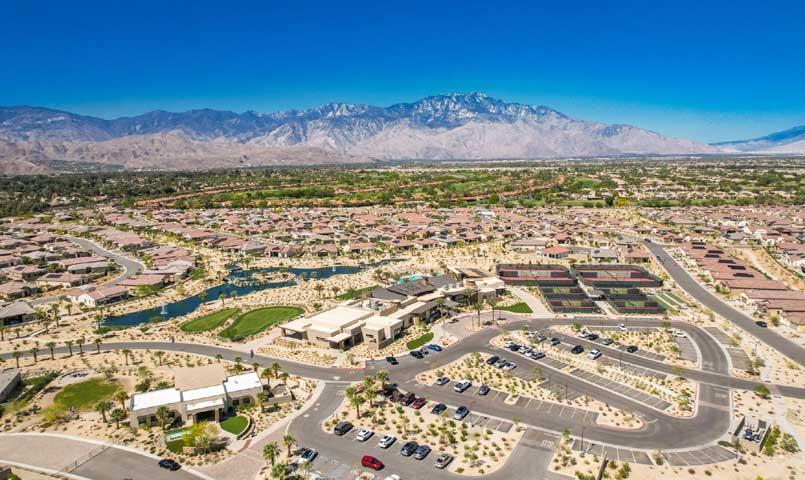
For 30 years, PCR has helped retirees explore and compare lifestyle communities across the U.S.—with clarity, confidence, and no pressure.
PCR focuses on:
- Active adult and independent living options
- Lifestyle-driven communities with strong social engagement
- Education-first guidance to help retirees choose wisely
Rather than pushing one-size-fits-all solutions, PCR empowers retirees to explore communities by lifestyle, location, and amenities—making it easier to find a place that supports freedom, friendship, and peace of mind—on your terms.
Frequently Asked Questions
Are there retirement communities that don’t feel restrictive?
Yes. Many active adult and independent living communities are designed specifically to support autonomy while offering amenities and social connection.
Can I stay independent in a retirement community?
Absolutely. Independent living and 55+ communities are built for retirees who do not need daily care but want a simplified, social lifestyle.
Do senior communities really offer social opportunities?
The best ones do. From clubs and fitness to entertainment and travel, many communities feature full social calendars driven by resident interests.
Is moving to a lifestyle community affordable long-term?
Available real estate and homes can be found for all budgets. However, affordability varies, which is why understanding fees, inclusions, and long-term costs upfront is essential.
About the Author
With over 20 years of experience as a seasoned content creator, Robert Borges is the senior writer for Private Communities Registry (PCR), specializing in real estate trends and master-planned communities. He works closely with builders, developers, and real estate pros to create helpful content that guides homebuyers in finding the perfect community, ensuring they have the information needed to make confident, informed decisions.