by Robert Borges on November 19, 2026
Can a Golf Community Work When Only One of You Plays?
Quick Answer
Yes. A golf community can be a great fit when only one partner plays, especially when the other has plenty of reasons to love living there, too. Look for activities you would each enjoy, places to spend time together, and membership options that make sense for your household. The right fit gives you both a lifestyle to look forward to.
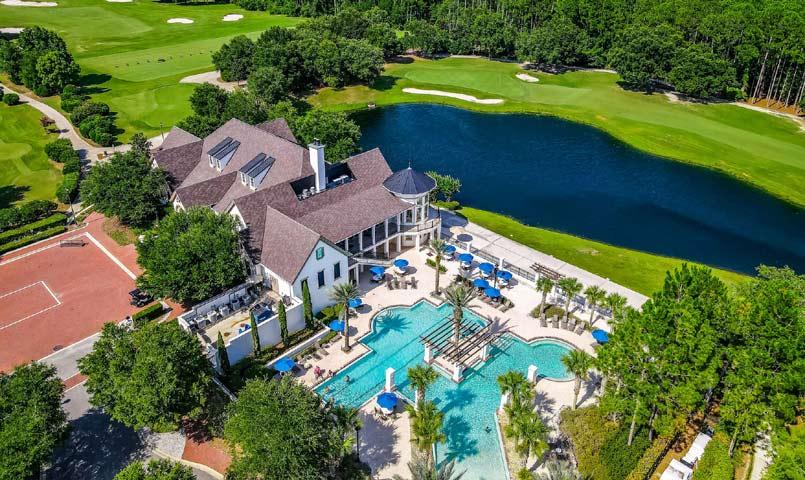
One of you pictures an early tee time. The other would rather head to a fitness class, spend an hour painting, or take a long walk before meeting friends for lunch. By late afternoon, you’re back together on the patio, comparing notes about the day.
That’s a perfectly reasonable vision for life in a golf community. You don’t need matching hobbies to enjoy the same address. You do need a place where both of you feel at home.
If you’re exploring golf communities for non-golfers, start with this question: would the person who doesn’t play still be excited about the move?
Picture an ordinary Tuesday
A beautiful course can make a memorable first impression. But a home has to work on the days without a tee time, too.
Imagine a typical week for each of you. Perhaps one partner wants to play three mornings a week, while the other would love a regular tennis group, an art class, or a pool close enough to use on a whim. Maybe you both want a neighborhood where dinner with friends doesn’t require a long drive.
The details matter more than the length of the amenities list. A fitness center is more appealing when the classes suit your interests and schedule. A community restaurant is more useful when it’s somewhere you would happily eat on an ordinary evening. An active social calendar should offer a few things you can already picture yourself joining.
There’s room for quiet pleasures, too. Reading on a shaded patio or enjoying scenic views can be part of the appeal. The goal is to find a place that suits your pace, whether that means a full calendar or a few familiar weekly routines.
Look for friendships beyond the fairway
For someone who doesn’t play, the biggest question may be social: will it be easy to find your own people?
Recurring activities can help. Seeing the same faces at a walking group, book discussion, or pickleball session gives a newcomer a natural way into neighborhood life. Shared dinners, concerts, and seasonal gatherings then offer opportunities to bring those different circles together.
When you visit, make time for something besides the golf tour. Spend a little time where you would actually spend your mornings. Ask how newcomers join activities, and take a look at a recent calendar. You’re looking for signs of a life you would enjoy stepping into.
Neither partner needs to become the other’s companion for every activity. Having separate interests can be part of what makes the move enjoyable.
Get comfortable with the membership costs
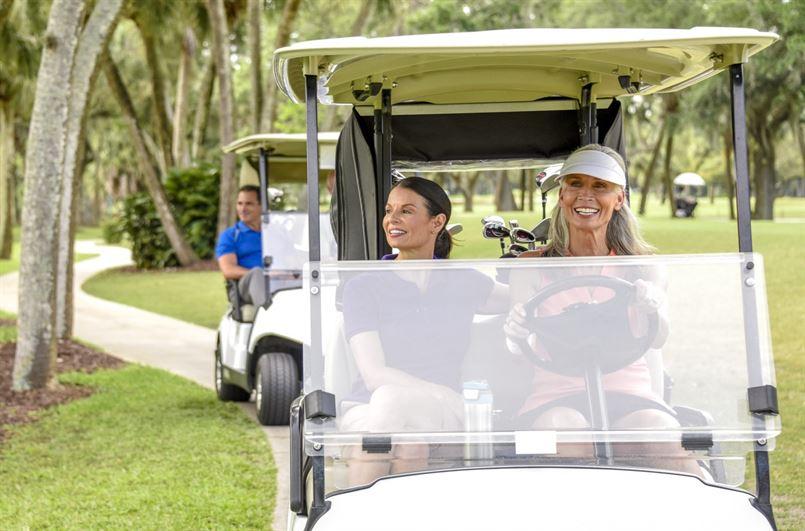
“Golf community” describes the setting. It doesn’t tell you exactly what comes with the home.
Some neighborhoods have a private club with optional membership. Others connect homeownership to a country club or social membership, with golf available separately. In bundled golf communities, golf membership is tied to the home purchase, and ongoing dues still apply.
For a couple with one golfer, the useful number is the full household cost: required association and club dues, the golf membership you would choose, any joining or capital fees, and the activities you expect to use. A membership labeled “social” doesn’t automatically mean every class, event, or meal is included.
Ask the club to explain how both partners would be covered. One person’s golf membership may already provide the other with access to fitness, dining, or racquet sports. Choosing separate memberships without understanding that could mean paying for overlapping benefits.
There’s no universal answer about value. A household that uses the course, pool, gym, and dining room regularly may feel very differently about the same dues than a couple who mostly wants a pleasant neighborhood and occasional golf nearby.
Explore more than 200 golf communities with PCR
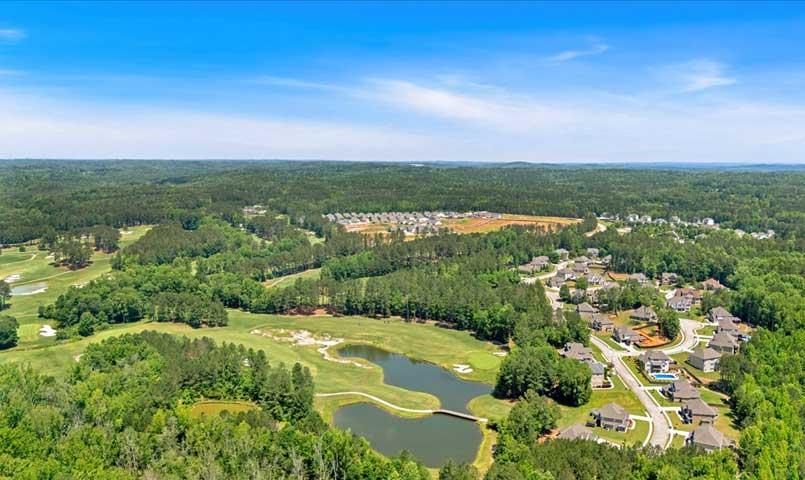
PCR features more than 200 golf communities across the country, with options for golfers and non-golfers alike. That gives you room to look beyond the course and find a setting, a home, and a daily rhythm you both enjoy.
Your search might lead toward Florida’s coast, the Carolina mountains, or the Arizona desert. Perhaps you want a smaller country club neighborhood, an active adult community, or a larger master-planned setting where families and retirees share the same streets. The variety is part of the appeal: you can love the idea of golf community living without wanting exactly the same lifestyle as the next couple.
Many communities pair golf with swimming, fitness, tennis or pickleball, walking trails, dining, and social activities. Those offerings give the partner who doesn’t play plenty to explore, while also creating places where you can spend time together. Amenities and membership access differ by community, so each showcase is a starting point for discovering what fits.
As you browse, let both wish lists guide you. One partner might be drawn to the course and practice facilities; the other might notice the pool, nearby town, or a patio that looks perfect for morning coffee. Save the places that spark interest for both of you, then request information through PCR to learn more about homes and community life.
Give both partners a turn leading the visit
If golf is driving the search, it’s easy for the course to dominate every conversation. Try giving the partner who doesn’t play a turn setting the agenda.
That might mean spending more time at the pool, exploring the art studio, or taking the neighborhood walking route. Plan a meal together and leave time to explore the surrounding town. A good community should fit into a wider life that includes favorite restaurants, family visits, errands, and interests you haven’t discovered yet.
The home deserves the same attention. A generous patio, a room for hobbies, or an easy trip to the activities you love may matter more to your shared happiness than a fairway address. If you’re drawn to a course-front home, spend time outside and consider nearby cart traffic, play, and maintenance activity.
You’re choosing a place to live together, with room for each of you to enjoy it in your own way.
Frequently asked questions
Can you live in a golf community without playing golf?
Yes. Non-golfers can enjoy the setting, neighbors, and other activities. The costs vary by community. Some offer optional club membership, while others require dues tied to homeownership even when you don’t play.
Will we save on dues if only one of us plays?
Not automatically. Clubs may offer individual or household arrangements, and a golf membership may include non-golf privileges for a spouse or partner. Ask for the membership category and full household cost that match how the two of you would use the club.
What should a non-golfer look for in a golf community?
Start with activities you already enjoy, a comfortable way to meet people, and places you would use regularly. Fitness, swimming, racquet sports, arts programs, and dining can all contribute. The strongest fit is somewhere you would want to live even on a day when golf never comes up.
Find a community you can both call home
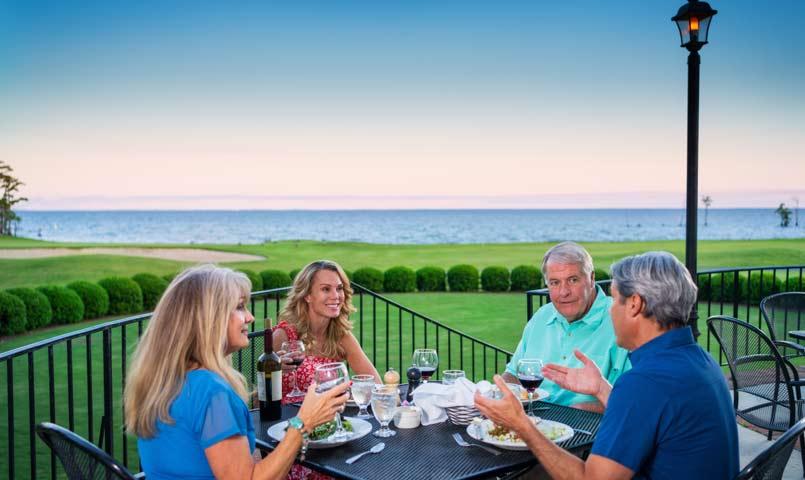
The right golf community can give one partner easy access to a favorite game and the other plenty to look forward to. Explore PCR’s golf communities nationwide and request information about the homes, activities, and membership choices that interest you. Start with what makes each of you happy, then look for the place where those lives come together.
About the Author
With over 20 years of experience as a seasoned content creator, Robert Borges is the senior writer for Private Communities Registry (PCR), specializing in real estate trends and master-planned communities. He works closely with builders, developers, and real estate pros to create helpful content that guides homebuyers in finding the perfect community, ensuring they have the information needed to make confident, informed decisions.