by Robert Borges on September 9, 2026
Best Places to Retire in the West: 7 Top Western States for Retirement
Wide-open landscapes, sunny desert cities, snow-capped mountains, Pacific coastlines, and some of the country's most popular active adult destinations make the western United States an appealing place to spend your retirement years.
But where is the best place to retire in the West?
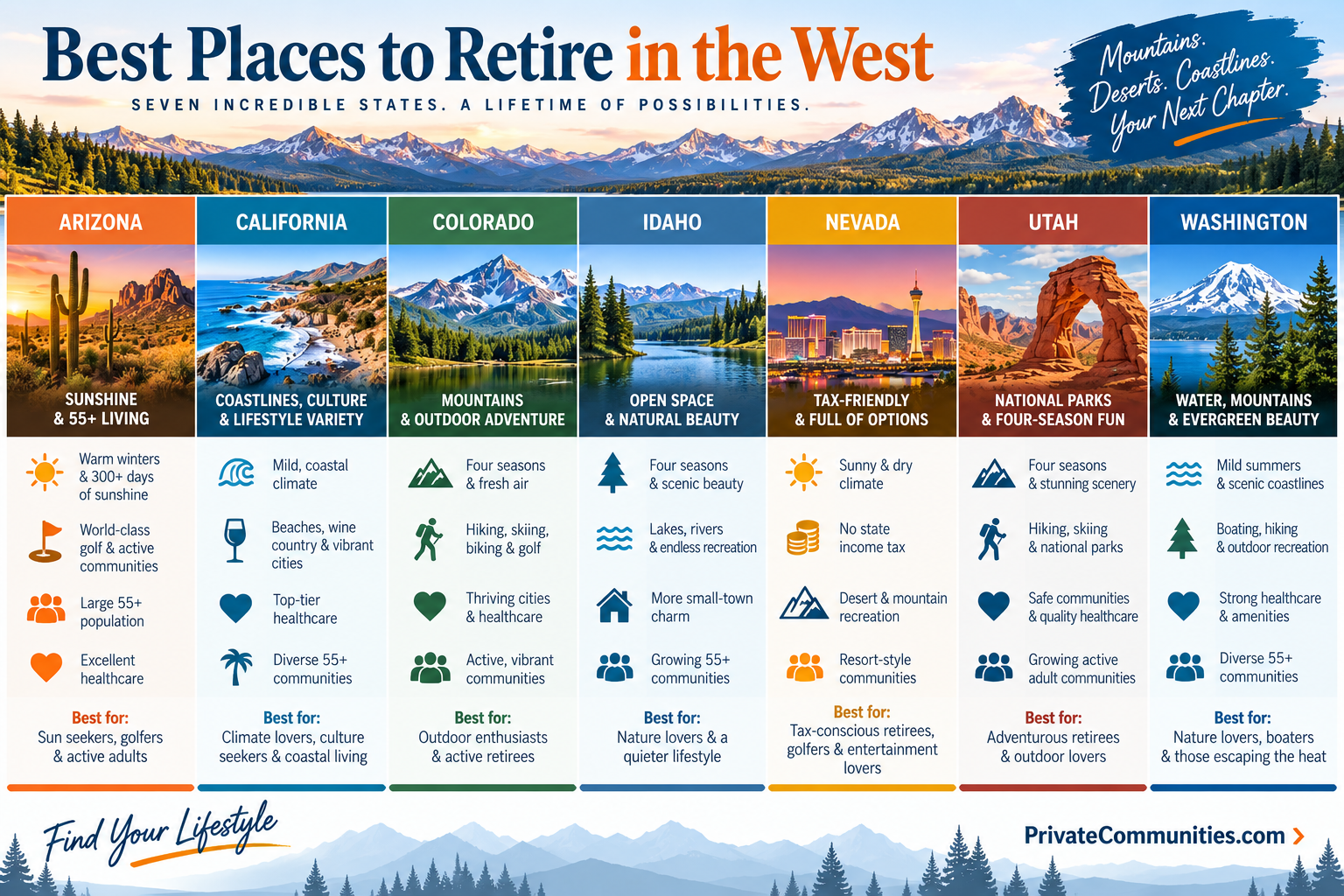
The answer depends on the retirement you envision. Arizona and Nevada attract retirees seeking sunshine and established 55+ communities. Colorado, Idaho, and Utah are natural fits for active adults who want mountains and four-season recreation. California combines exceptional climate, coastline, culture, and healthcare—if your budget allows. And Washington offers a distinctly Pacific Northwest retirement surrounded by forests, mountains, and water.
There is also no single definition of an affordable or retirement-friendly state. Housing costs, taxes, healthcare access, climate, insurance, proximity to family, and the amenities you use every day can ultimately matter more than a statewide ranking.
Below, we take a closer look at seven of the best western states for retirement, including their advantages, potential drawbacks, popular retirement destinations, and the types of retirees who may feel most at home there.
Quick Picks: Best Western States for Retirement
- Arizona: Best for sunshine, golf, and established 55+ communities
- California: Best for climate, coastal living, culture, and lifestyle variety
- Colorado: Best for active retirees and mountain recreation
- Idaho: Best for outdoor recreation, open space, and a quieter lifestyle
- Nevada: Best for tax-conscious retirees and desert living
- Utah: Best for national parks, mountain scenery, and outdoor adventure
- Washington: Best for Pacific Northwest scenery, water recreation, and mild summers
Why Retire in the Western United States?
Retirement in the West is largely about choice of lifestyle.
Few regions offer such dramatic geographic diversity. A retiree could choose a golf community outside Phoenix, a mountain town in Colorado, a lakeside community in Idaho, the high desert of Nevada, a Southern California active adult community, or a waterfront destination in Washington.
Outdoor recreation is another major draw. Hiking, biking, golf, skiing, boating, fishing, kayaking, and exploring state and national parks can all become part of everyday life rather than something reserved for vacation.
The West also has a substantial—and growing—older population. Arizona is particularly notable: adults age 65 and older account for about 20.6% of the state's population, according to recent U.S. Census Bureau estimates. Idaho and Nevada aren't far behind at approximately 18.7% and 18.3%, respectively.
For retirees interested in lifestyle communities, the West offers another advantage: numerous master-planned and 55+ communities designed around amenities, social activities, recreation, and low-maintenance living.
Of course, western living comes with tradeoffs. Housing costs can be high in desirable markets, some areas experience extreme heat or winter weather, and wildfire, drought, water availability, insurance costs, and access to healthcare should be evaluated carefully depending on the destination.
Arizona: Best for Sunshine and 55+ Living

Arizona has been synonymous with retirement for generations, and for good reason.
With abundant sunshine, desert scenery, renowned golf destinations, and a tremendous selection of active adult communities, Arizona remains one of the best places to retire out West.
Greater Phoenix is the center of much of the state's retirement activity. Scottsdale offers upscale dining, golf, spas, shopping, and arts and culture, while communities in Mesa, Chandler, Goodyear, Peoria, Surprise, and other Valley cities give retirees plenty of alternatives.
Those looking beyond metropolitan Phoenix can consider Tucson for its Sonoran Desert scenery, arts and food scene, and outdoor recreation. Northern Arizona destinations such as Prescott and Sedona offer higher elevations, cooler temperatures, and striking landscapes.
Arizona's retirement appeal is reflected in its demographics: about one in five Arizona residents is now 65 or older.
Why Retire in Arizona?
- Extensive selection of 55+ and active adult communities
- Exceptional golf and resort-style amenities
- Mild, sunny winters in the desert regions
- Hiking and outdoor recreation throughout the state
- Major healthcare systems in the Phoenix and Tucson regions
- Wide selection of suburban and master-planned communities
Arizona also does not tax Social Security retirement benefits, although many other forms of retirement income can be subject to state income tax.
Things to Consider
Summer heat in Phoenix and southern Arizona can be extreme. Housing costs have also increased substantially in many of the state's most desirable areas, and water availability is an important long-term consideration in parts of the Southwest.
Best for: Golfers, sun seekers, snowbirds, active adults, and retirees who want a large selection of established lifestyle communities.
Popular areas: Scottsdale, Phoenix, Mesa, Goodyear, Surprise, Tucson, Prescott, and Sedona.
Browse Arizona retirement communities.
California: Best for Lifestyle Variety and Year-Round Climate
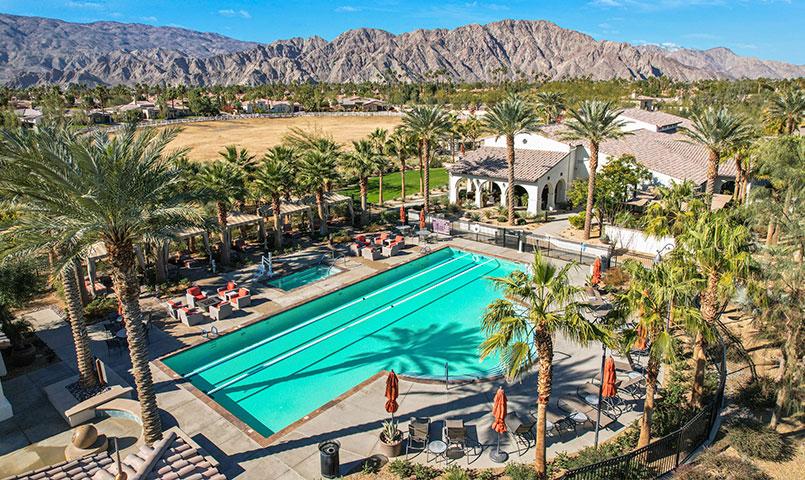
California isn't typically the first state mentioned when discussing an inexpensive retirement. But retirement decisions aren't based on cost alone.
For retirees who have the financial flexibility, California offers one of the broadest ranges of retirement lifestyles anywhere in America.
You can live near the Pacific Ocean in Southern California, settle among vineyards and rolling hills, enjoy desert resort living around Palm Springs, head for the Sierra foothills, or choose one of the many communities surrounding major metropolitan areas.
Climate is one of California's greatest advantages. Many coastal and Southern California locations offer mild weather that encourages year-round walking, golf, cycling, and outdoor dining.
Access to major medical centers, airports, cultural institutions, universities, restaurants, and entertainment also makes the state attractive to retirees who don't want to give up the conveniences of a major metropolitan area.
Why Retire in California?
- Exceptional climate in many regions
- Pacific Ocean and coastal recreation
- Mountains, deserts, vineyards, and beaches within one state
- Outstanding cultural and culinary destinations
- Extensive healthcare resources in major metropolitan areas
- Numerous active adult and lifestyle communities
California does not tax Social Security benefits, although other retirement income may be taxable.
Things to Consider
Cost is the obvious drawback. MERIC's recent cost-of-living data ranks California among the country's most expensive states, with housing contributing significantly to the difference. Property insurance availability and costs, wildfire exposure, traffic, and state taxes should also be researched carefully by prospective residents.
Best for: Retirees prioritizing climate, healthcare, culture, coastal access, and lifestyle over having the lowest possible cost of living.
Popular areas: San Diego County, Orange County, Palm Springs/Coachella Valley, Sacramento region, Central Coast, Inland Empire, and Northern California wine country.
Browse California retirement communities.
Colorado: Best for an Active Mountain Retirement
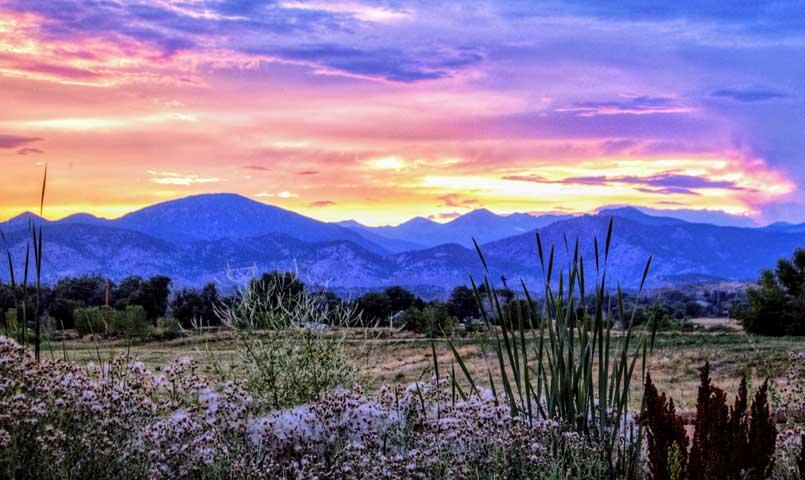
Colorado deserves a prominent spot on any list of the best places to retire in the western United States.
The Rocky Mountain State combines spectacular scenery with sophisticated cities, college towns, golf communities, and seemingly endless ways to stay active.
Denver and its suburbs provide access to major healthcare, Denver International Airport, professional sports, museums, restaurants, and cultural attractions. Fort Collins offers a smaller-city atmosphere and easy access to outdoor recreation, while Colorado Springs combines Front Range scenery with urban conveniences.
And for retirees dreaming about mountain living, Colorado offers communities throughout the foothills and high country.
Why Retire in Colorado?
- World-class hiking, skiing, cycling, fishing, and outdoor recreation
- Four distinct seasons
- Spectacular Rocky Mountain scenery
- Strong cultural and recreational amenities along the Front Range
- Numerous golf and master-planned communities
- Easy access to parks, trails, and open space
Colorado also offers qualifying residents age 55 and older a state subtraction for certain pension and annuity income, with different limits depending on age and circumstances.
Things to Consider
Colorado isn't necessarily a bargain retirement destination. Current cost-of-living data places it slightly above the national average overall. Homebuyers should also consider snow, altitude, wildfire risk, insurance, and the greater distances to healthcare and everyday services that can accompany rural mountain living.
Best for: Hikers, skiers, cyclists, golfers, nature lovers, and active retirees who want four seasons without giving up access to thriving cities.
Popular areas: Denver suburbs, Colorado Springs, Fort Collins, Loveland, Grand Junction, and mountain communities throughout the Front Range and Western Slope.
Browse Colorado retirement communities.
Idaho: Best for Open Space and Outdoor Recreation
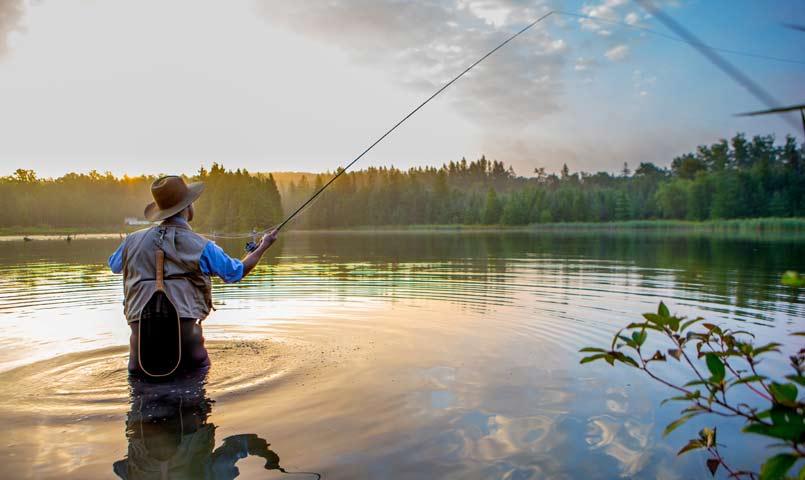
Idaho has emerged as an increasingly attractive western destination for retirees seeking scenery, recreation, and a little more breathing room.
The state combines mountains, lakes, rivers, forests, and high desert with smaller cities and communities that can feel considerably less hectic than major western metropolitan areas.
Boise and the surrounding Treasure Valley provide the state's strongest combination of healthcare, shopping, restaurants, airport access, and residential development. Coeur d'Alene is particularly attractive for retirees interested in lake living and golf, while other parts of northern and eastern Idaho appeal to people seeking a quieter outdoor-oriented lifestyle.
Idaho has also been growing quickly. U.S. Census Bureau estimates put its 2025 population at more than 2 million—roughly 10.4% higher than its 2020 estimates base. About 18.7% of Idaho residents are 65 or older.
Why Retire in Idaho?
- Mountains, lakes, rivers, and extensive public lands
- Excellent hiking, fishing, boating, skiing, and cycling
- Smaller cities and lower-density communities
- Four-season climate
- Growing selection of master-planned and active adult communities
Idaho does not tax Social Security benefits, although pensions and other retirement income may be taxable, subject to certain deductions and exemptions.
Things to Consider
Idaho's reputation as an exceptionally inexpensive western destination has become somewhat outdated. Current statewide cost-of-living data places Idaho roughly in line with the national average, and housing in popular destinations such as Boise and Coeur d'Alene can be considerably more expensive than buyers expect. Winters can also be cold, particularly in northern and higher-elevation areas.
Best for: Retirees who value open space, outdoor recreation, lakes, mountains, and smaller communities.
Popular areas: Boise, Meridian, Eagle, Coeur d'Alene, Twin Falls, and other Treasure Valley communities.
Browse Idaho retirement communities.
Nevada: Best for Tax-Friendly Western Retirement

Nevada offers much more than Las Vegas.
The Silver State combines favorable tax policies, sunny desert weather, mountain landscapes, entertainment, golf, and access to some of the West's most spectacular outdoor recreation.
Southern Nevada is particularly well suited to active adult living. Las Vegas, Henderson, Mesquite, and surrounding communities offer extensive dining, entertainment, shopping, healthcare, golf, and master-planned development.
Northern Nevada offers an entirely different experience. Reno and nearby communities combine four seasons with access to the Sierra Nevada and Lake Tahoe, putting skiing, boating, hiking, and mountain recreation within easy reach.
Approximately 18.3% of Nevada residents are 65 or older, according to Census estimates.
Why Retire in Nevada?
- No state individual income tax
- Numerous golf and active adult communities
- Abundant sunshine in southern Nevada
- Entertainment, restaurants, and cultural attractions
- Easy access to desert and mountain recreation
- Lake Tahoe and Sierra Nevada access from northern Nevada
Nevada's lack of an individual state income tax is especially noteworthy for retirees drawing income from pensions and retirement accounts.
Things to Consider
Southern Nevada summers are extremely hot, while Reno and northern Nevada experience colder winters and snow. Housing costs have risen in popular areas, and water, insurance, and access to healthcare should be evaluated according to location.
Best for: Tax-conscious retirees, golfers, entertainment lovers, desert sun seekers, and active adults who want resort-style community options.
Popular areas: Las Vegas, Henderson, Summerlin, Mesquite, Reno, and Carson City.
Browse Nevada retirement communities.
Utah: Best for National Parks and Outdoor Adventure
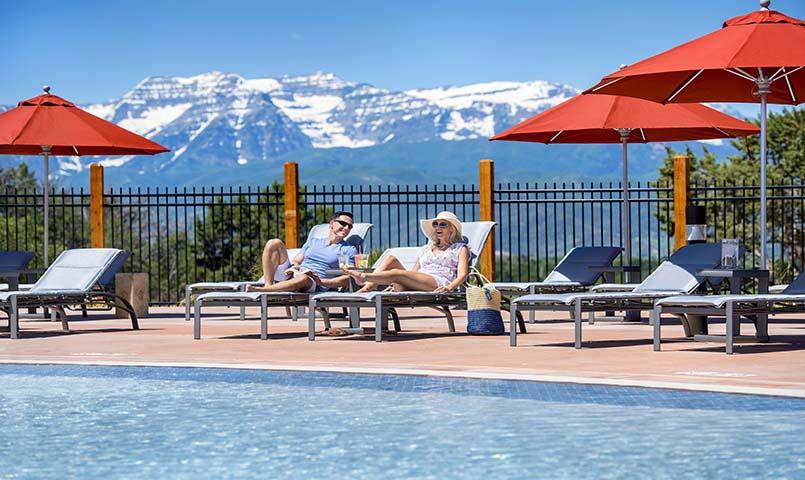
For retirees who imagine spending their next chapter exploring trails, mountains, canyons, and national parks, Utah deserves serious consideration.
The state's extraordinary landscape includes five national parks—Arches, Bryce Canyon, Canyonlands, Capitol Reef, and Zion—along with ski resorts, reservoirs, forests, and seemingly endless hiking and biking opportunities.
Southern Utah, particularly the St. George area, has become a popular retirement destination thanks to its red-rock scenery, golf, outdoor recreation, and relatively mild winters. Northern Utah offers access to Salt Lake City, major healthcare, an international airport, and the Wasatch Mountains.
Utah remains younger than most states—only about 13% of its population is 65 or older—but that can appeal to retirees seeking an intergenerational environment rather than a region dominated by retirees.
Why Retire in Utah?
- Extraordinary national and state parks
- Excellent hiking, cycling, skiing, and golf
- Dramatic mountain and red-rock scenery
- Four-season recreation
- Growing master-planned communities
- Access to Salt Lake City healthcare and transportation
Things to Consider
Utah isn't universally inexpensive, particularly in popular areas along the Wasatch Front and in fast-growing destinations. Winters can be significant in northern Utah, while southern Utah gets considerably hotter. Retirees should also evaluate state taxation as part of their individual retirement-income picture.
Best for: Adventurous retirees, hikers, cyclists, skiers, golfers, national park enthusiasts, and anyone who wants outdoor recreation to be central to retirement.
Popular areas: St. George, Salt Lake City suburbs, Park City area, Ogden, and communities along the Wasatch Front.
Browse Utah retirement communities.
Washington: Best for Pacific Northwest Retirement
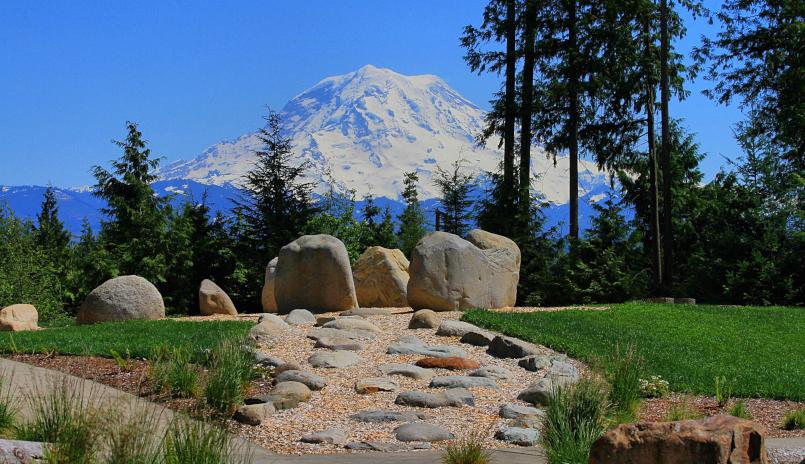
For retirees who prefer evergreen forests and water views to desert landscapes, Washington provides one of the West's most distinctive retirement settings.
Puget Sound, the Olympic Peninsula, the Cascade Mountains, countless lakes and rivers, and the Pacific coastline create exceptional opportunities for boating, hiking, kayaking, fishing, cycling, and wildlife watching.
Western Washington is known for comparatively mild summers and winters, although cloudy and rainy weather is part of the package. Eastern Washington is sunnier and drier and experiences greater seasonal temperature swings.
Seattle provides big-city healthcare and cultural amenities, but many retirees look beyond the city to communities around Puget Sound, the Olympic Peninsula, southwest Washington, and smaller cities such as Spokane.
Why Retire in Washington?
- Mountains, forests, islands, lakes, and Puget Sound
- Excellent boating and water recreation
- Mild summers in western Washington
- Extensive hiking and outdoor recreation
- Strong healthcare options around major population centers
- Variety of coastal, suburban, rural, and golf community lifestyles
As of 2026, Washington does not currently have an individual income tax. However, legislation enacted in 2026 creates a 9.9% tax beginning January 1, 2028, on individuals and married couples filing jointly with annual adjusted gross income above $1 million. That makes it especially important for retirement articles to distinguish Washington's current tax environment from what's already scheduled to change.
Things to Consider
Washington's cost of living is above the national average, driven in part by housing costs. Western Washington's long gray season isn't for everyone, while snow and colder winters become bigger considerations east of the Cascades.
Best for: Boaters, hikers, nature lovers, retirees escaping extreme heat, and those seeking a Pacific Northwest lifestyle.
Popular areas: Puget Sound communities, Tacoma-area suburbs, Vancouver, Spokane, the Olympic Peninsula, and communities north of Seattle.
Browse Washington retirement communities.
How to Choose the Best Western State for Retirement
The best retirement destination isn't necessarily the state that finishes first in a generic ranking. It's the place that works for your lifestyle, finances, health, family, and plans for the next 10, 20, or 30 years.
Before choosing where to retire in the West, compare:
- Housing and overall cost of living: Look beyond statewide averages to the specific cities and communities you're considering.
- Taxes: Compare treatment of Social Security, pensions, retirement-account withdrawals, property taxes, and sales taxes.
- Healthcare: Consider both the quality and proximity of hospitals, specialists, and medical networks.
- Climate: Decide whether you'd rather tolerate desert heat, winter snow, Pacific Northwest rain, or higher housing costs for a milder coastal climate.
- Insurance and natural hazards: Wildfire, drought, flooding, extreme heat, and other location-specific risks can affect both lifestyle and homeowner expenses.
- Airport access: This can become especially important for retirees with children and grandchildren in other states.
- Recreation: Golf, hiking, skiing, boating, pickleball, cycling, and other activities are much easier to enjoy when they're close to home.
- Community: For many retirees, clubs, events, fitness programs, neighbors, and opportunities to socialize are just as important as the house itself.
Are 55+ Communities Popular in the West?
Yes. In fact, some western states—especially Arizona, Nevada, and California—have long been major destinations for active adult and 55+ development.
Today's retirement communities also look quite different from the traditional image of a "retirement home." Many are amenity-rich neighborhoods built around an active lifestyle, with features such as clubhouses, fitness centers, swimming pools, pickleball and tennis courts, golf, walking and biking trails, dog parks, social clubs, and organized activities.
That aligns closely with what today's lifestyle buyers say they want. In Private Communities Registry's 2026 Survey of Homebuyers & Renters, trails, fitness facilities, and swimming pools ranked among respondents' most desired community amenities.
For buyers comparing western retirement destinations, exploring communities can therefore be just as important as comparing states. A neighborhood that fits your daily lifestyle can ultimately have a greater impact on retirement satisfaction than the state line on your address.
Frequently Asked Questions About Retiring in the West
What is the best western state to retire in?
There is no single best state for every retiree. Arizona is particularly strong for sunshine and 55+ communities; Nevada for its tax environment; Colorado, Idaho, and Utah for outdoor recreation; California for climate and lifestyle variety; and Washington for Pacific Northwest scenery and water access.
What are the most affordable western states for retirees?
Costs vary substantially by city, but Idaho and Colorado currently sit closer to the national average than California, Washington, Arizona, and Nevada in MERIC's statewide cost-of-living index. Retirees should compare individual cities and communities rather than relying solely on statewide averages.
Where can I retire out West for warm weather?
Arizona, southern Nevada, Southern California, and southwestern Utah are among the leading choices for retirees seeking mild winters and abundant sunshine. Summers can be extremely hot in desert regions, however, making seasonal climate an important consideration.
What are the best western states for active retirees?
Colorado, Utah, Idaho, Washington, Arizona, and California all offer exceptional outdoor recreation. The right choice depends on whether your ideal retirement involves mountains and skiing, lakes and boating, desert hiking and golf, or coastal recreation.
Which western states don't tax Social Security?
Tax laws vary and can change, but Arizona, California, and Idaho are among the states in this article that do not tax Social Security benefits at the state level. Nevada currently has no individual state income tax at all. Prospective retirees should consult a qualified tax professional regarding their individual circumstances.
Find Your Ideal Retirement Community with PCR
Since 1996, Private Communities Registry (PCR) has helped homebuyers discover lifestyle communities throughout the United States. That experience gives us a front-row view of what retirement and lifestyle buyers are searching for—from golf and pickleball to trails, fitness, social opportunities, low-maintenance homes, and access to the destinations they love.
Rather than simply ranking cities, PrivateCommunities.com lets buyers explore communities according to location and lifestyle, compare amenities and homes, and connect directly with communities that fit their retirement plans.
Whether your version of retirement involves Arizona sunshine, Colorado mountains, an Idaho lake, Nevada golf, Utah's red-rock landscapes, California's year-round climate, or Washington's Pacific Northwest scenery, exploring the community itself is one of the best ways to determine where you truly want to live.
Explore 55+ communities across the U.S. and start narrowing down the places that match the retirement you've been planning.
About the Author
With over 20 years of experience as a seasoned content creator, Robert Borges is the senior writer for Private Communities Registry (PCR), specializing in real estate trends and master-planned communities. He works closely with builders, developers, and real estate pros to create helpful content that guides homebuyers in finding the perfect community, ensuring they have the information needed to make confident, informed decisions.