by Robert Borges on November 4, 2026
Embrace the Gem State: Why You Should Move to Idaho
From spectacular mountain scenery and outdoor adventure to welcoming communities and a growing economy, Idaho offers plenty of reasons to consider a move. Whether you're searching for a family-friendly neighborhood, an active retirement destination, or a second home surrounded by nature, the Gem State delivers a distinctive combination of lifestyle, recreation, and opportunity.
But is Idaho a good place to live? And what should prospective residents know about housing costs, taxes, weather, and everyday life before relocating?
Here's a closer look at why people are moving to Idaho, the advantages and potential drawbacks of living in the state, and some of the best places and lifestyle communities to consider.
Is Idaho a Good Place to Live?
Idaho can be an excellent place to live for people who value outdoor recreation, scenic surroundings, four-season living, and access to both small towns and growing metropolitan areas.
According to the U.S. Census Bureau, Idaho's population reached approximately 2.03 million in 2025, an increase of more than 10% since 2020. That growth reflects the state's increasing popularity, although it has also contributed to rising housing demand in desirable areas.
For many homebuyers, Idaho's greatest attraction is the opportunity to build a lifestyle around the outdoors while enjoying modern conveniences, recreational amenities, and a variety of housing options.
1. Unparalleled Natural Beauty

Few states offer the geographic diversity of Idaho. Towering mountain ranges, alpine lakes, rushing rivers, forests, and wide-open valleys create an extraordinary setting for outdoor enthusiasts.
Residents enjoy easy access to hiking, fishing, boating, mountain biking, skiing, and other recreational activities. Some of Idaho's most popular natural attractions include:
- Sawtooth National Recreation Area: Spectacular alpine scenery, hiking trails, and mountain lakes.
- Lake Coeur d'Alene: A northern Idaho destination known for boating, fishing, and waterfront recreation.
- Shoshone Falls: A dramatic waterfall near Twin Falls, often called the Niagara of the West.
- Boise River Greenbelt: A scenic pathway connecting parks and neighborhoods throughout the Boise area.
- Sun Valley: A renowned mountain destination offering skiing, hiking, golf, and year-round recreation.
Explore more of Idaho's natural attractions through Visit Idaho.
2. Four Distinct Seasons
Idaho offers four distinct seasons, each bringing different opportunities for recreation and outdoor enjoyment.
Spring brings blooming landscapes and flowing rivers, while summer is ideal for boating, hiking, and exploring the mountains. Fall transforms the scenery with colorful foliage, and winter provides opportunities for skiing, snowboarding, and snowshoeing.
However, climate varies considerably by region. Boise and southwestern Idaho typically experience hot, dry summers and comparatively moderate winters, while northern Idaho and mountain communities receive significantly more snowfall.
For retirees and homebuyers relocating from warmer climates, winter weather is an important consideration. Those who appreciate seasonal variety and winter recreation, however, may consider it one of Idaho's greatest advantages.
3. An Active, Outdoor-Oriented Lifestyle

In Idaho, recreation isn't limited to vacations and weekends. For many residents, it becomes part of everyday life.
Communities throughout the state offer access to walking and biking trails, golf courses, parks, lakes, and open space. Depending on the location, residents can enjoy a morning hike, an afternoon round of golf, or an evening stroll along a scenic river.
Idaho also offers a growing selection of master-planned communities, golf neighborhoods, and active adult developments that combine recreational amenities with organized social activities.
For homebuyers who want to stay active, connect with neighbors, and spend more time outdoors, Idaho provides an appealing lifestyle.
4. A Growing Economy and Job Opportunities
Although Idaho is often associated with agriculture and rural living, its economy has become increasingly diversified.
The Boise metropolitan area has developed into an important regional center for technology, manufacturing, healthcare, education, and professional services. Agriculture remains an economic cornerstone, while tourism and outdoor recreation support businesses in mountain and resort destinations.
According to the Idaho Department of Labor, Idaho's unemployment rate was 3.6% in September 2026, with approximately 890,100 nonfarm jobs statewide.
Employment opportunities vary by region, so prospective residents should research local job markets, commuting distances, and remote-work options before relocating.
5. Cost of Living and Housing Affordability
Idaho was once widely recognized as an affordable alternative to many Western states. While that remains true in certain areas, population growth has significantly changed its housing market.
Idaho is no longer universally inexpensive, particularly in popular destinations such as Boise, Eagle, Coeur d'Alene, and Sandpoint.
According to Realtor.com's Idaho housing market data, the statewide median home listing price was approximately $599,000 in September 2026, while the median sold price was approximately $467,800.
Housing costs vary substantially by location. Boise and Coeur d'Alene generally command higher prices, while areas such as Pocatello, Idaho Falls, and some smaller communities may offer more attainable options.
Beyond home prices, buyers should consider property taxes, utilities, insurance, transportation, and winter heating expenses. Rural properties may also involve additional costs for road maintenance, snow removal, or private utilities.
For buyers relocating from expensive coastal markets, Idaho may still offer attractive value, but affordability depends on the specific community and lifestyle.
6. Tax Benefits for Retirees
Taxes are another important consideration when deciding whether to move to Idaho, particularly for retirees.
Idaho has a state individual income tax, a statewide sales tax, and property taxes that vary by location and assessed value. The state's individual income tax rate for 2025 was 5.3%, while its statewide sales tax is 6%.
One potential advantage is that Idaho does not tax Social Security retirement benefits at the state level.
However, pension income and retirement account withdrawals may be taxable, depending on individual circumstances and applicable deductions.
For anyone considering retirement in Idaho, evaluating the complete tax picture is essential. Learn more through the Idaho State Tax Commission.
7. Welcoming Communities and a Slower Pace of Life

Despite its population growth, Idaho continues to offer many communities where residents appreciate local connections, outdoor activities, and a less hurried lifestyle.
Smaller towns often feature farmers markets, seasonal festivals, community events, and locally owned businesses. Even in growing areas such as Boise and Meridian, residents can find established neighborhoods, parks, cultural attractions, and gathering spaces.
For people relocating from large metropolitan areas, Idaho's combination of smaller cities and accessible outdoor recreation can be particularly appealing.
Of course, some regions are experiencing rapid development and increased traffic, while rural locations may offer greater privacy but fewer conveniences. Visiting prospective destinations is the best way to determine which environment fits your preferences.
8. Appealing Retirement and Active Adult Living

Is Idaho a good place to retire? For active retirees who enjoy nature, recreation, and four-season living, the answer may be yes.
The state offers opportunities for golf, hiking, fishing, boating, and other outdoor activities, along with a variety of housing options ranging from low-maintenance homes to custom mountain properties.
Select 55+ and active adult communities in Idaho offer amenities such as fitness facilities, swimming pools, pickleball courts, and social clubs.
Healthcare access is another important consideration. Larger population centers such as Boise, Meridian, Coeur d'Alene, and Idaho Falls generally offer more extensive medical services than remote mountain towns.
Retirees should also consider proximity to airports, shopping, family members, and everyday conveniences when choosing where to live.
9. A Variety of Great Places to Live
One of the advantages of moving to Idaho is the variety of communities and lifestyles available throughout the state.
Boise and the Treasure Valley: Idaho's capital region offers employment opportunities, healthcare, shopping, dining, and outdoor recreation. Nearby Meridian, Eagle, Kuna, and Nampa provide additional suburban and small-town living options.
Coeur d'Alene and Northern Idaho: Known for beautiful lakes, mountain scenery, golf, and boating, this region attracts buyers seeking waterfront properties, wooded neighborhoods, and four-season recreation.
McCall and Donnelly: These mountain destinations offer skiing, hiking, golf, and lake recreation, making them particularly appealing to outdoor enthusiasts and second-home buyers.
Twin Falls and Southern Idaho: With access to the Snake River Canyon, Shoshone Falls, and everyday conveniences, Twin Falls offers a smaller-city alternative to Idaho's larger metropolitan areas.
Idaho Falls and Eastern Idaho: This region combines employment opportunities, healthcare services, and access to outdoor attractions throughout the Greater Yellowstone area.
The best place to live in Idaho ultimately depends on your budget, climate preferences, employment needs, and desired lifestyle.
10. Golf, Mountain, and Resort Community Living
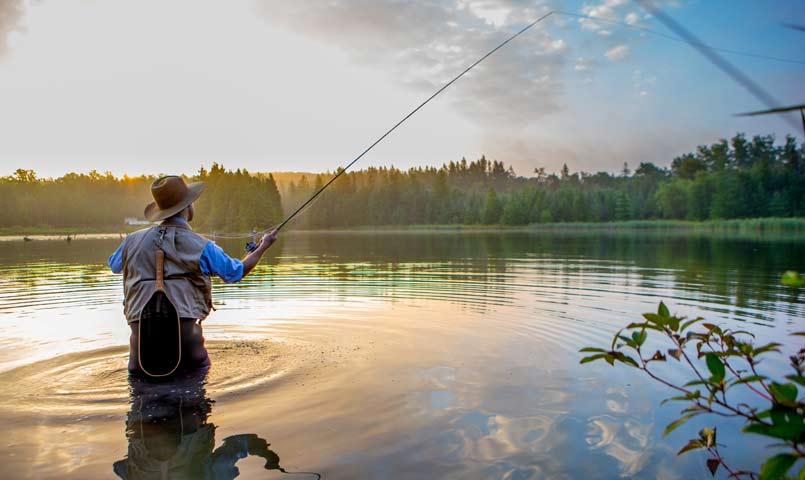
Idaho's appeal extends beyond its cities and towns. The state offers lifestyle communities designed around recreation, natural surroundings, and neighborhood amenities.
Golf enthusiasts can explore communities with championship courses and club facilities. Outdoor adventurers may prefer mountain neighborhoods with skiing, hiking, and biking trails, while active adults can find developments offering fitness facilities, swimming pools, pickleball, and organized social activities.
Buyers can choose among primary residences, vacation properties, custom homes, condominiums, and low-maintenance housing options.
For families, retirees, and second-home buyers, these communities provide opportunities to enjoy Idaho's outdoor lifestyle while connecting with neighbors who share similar interests.
What Are the Pros and Cons of Living in Idaho?
Like any relocation destination, Idaho has advantages and potential drawbacks.
Advantages of living in Idaho:
- Spectacular mountains, lakes, and natural scenery
- Outstanding outdoor recreation
- Four distinct seasons
- Growing employment opportunities
- Variety of lifestyle and master-planned communities
- No state income tax on Social Security benefits
- Smaller cities and scenic rural communities
Potential drawbacks:
- Rising housing prices in desirable locations
- Cold winters and substantial snowfall in some regions
- Seasonal wildfire smoke and air quality concerns
- Smaller job markets outside major metropolitan areas
- Limited healthcare and services in remote communities
- Increased traffic and development in rapidly growing areas
Prospective residents should research local housing markets, infrastructure, healthcare, and seasonal conditions before making a move.
Featured Communities in Idaho
If you're considering moving to Idaho, exploring its master-planned and lifestyle communities is a great place to start.
From mountain resort living to active adult neighborhoods near Boise, these featured communities showcase two distinctive ways to experience the Gem State.
Tamarack Resort – Donnelly, Idaho

Nestled in Idaho's West Central Mountains near Lake Cascade, Tamarack Resort is a four-season mountain community offering an exceptional blend of outdoor adventure, scenic beauty, and resort living.
Located approximately two and a half hours north of Boise, Tamarack combines skiing, snowboarding, mountain biking, hiking, golf, and lake recreation with a welcoming alpine village atmosphere. Residents and visitors can enjoy dining, shopping, wellness amenities, and year-round activities surrounded by spectacular mountain scenery.
Real estate opportunities include mountain-modern condominiums, townhomes, custom homes, and homesites, with options appealing to families, outdoor enthusiasts, retirees, and second-home buyers.
Explore Tamarack Resort Homes and Amenities

Located in Kuna, just outside Boise, Trilogy® Valor is a 55+ active adult community by Shea Homes offering low-maintenance living, recreational amenities, and opportunities to connect with neighbors.
Part of the larger Valor master-planned development, Trilogy® Valor combines single-family detached and duplex homes with access to an engaging social lifestyle. Its Treasure Valley Social Club features dining, fitness and wellness facilities, swimming pools, pickleball, and gathering spaces designed to bring residents together.
Golf enthusiasts can also explore membership opportunities at Valor Golf Club within the surrounding master plan.
With Boise's shopping, healthcare, entertainment, and airport nearby, Trilogy® Valor offers a convenient option for active adults seeking recreation, social connections, and modern home designs.
Explore Trilogy® Valor Homes and Amenities
Frequently Asked Questions About Moving to Idaho
Why are people moving to Idaho?
People are attracted to Idaho for its natural beauty, outdoor recreation, growing communities, employment opportunities, and variety of housing options. The state offers everything from urban and suburban living near Boise to mountain and waterfront properties.
Is Idaho an affordable place to live?
Affordability depends on the location. Some smaller cities and rural communities offer comparatively attainable housing, while popular destinations such as Boise, Eagle, and Coeur d'Alene can be expensive.
Is Idaho a good state for retirees?
Idaho can be an appealing retirement destination for people who enjoy outdoor recreation, scenic surroundings, and four-season living. The state does not tax Social Security benefits, and select communities offer amenities designed for active adults.
What are the best places to live in Idaho?
Popular options include Boise and the Treasure Valley, Coeur d'Alene, Sandpoint, McCall, Twin Falls, and Idaho Falls. The best location depends on your housing budget, climate preferences, healthcare needs, and recreational interests.
What are the biggest drawbacks of living in Idaho?
Potential challenges include rising housing prices, cold and snowy winters, seasonal wildfire smoke, and limited access to specialized healthcare or other services in remote areas.
Is Moving to Idaho Right for You?
From the mountains and lakes of northern Idaho to the growing neighborhoods of the Treasure Valley, the Gem State offers a lifestyle centered around natural beauty, outdoor adventure, and community.
For some homebuyers, the biggest draw is the opportunity to live near scenic trails, rivers, and golf courses. Others appreciate the variety of family-friendly neighborhoods, active adult communities, and second-home destinations.
While Idaho's rising housing costs and seasonal weather deserve consideration, the state continues to offer compelling opportunities for those seeking a different pace of life.
Ready to explore your options? Browse Idaho master-planned and lifestyle communities on PrivateCommunities.com to discover neighborhoods, compare amenities, explore available homes, and find the community that fits your lifestyle.
About the Author
With over 20 years of experience as a seasoned content creator, Robert Borges is the senior writer for Private Communities Registry (PCR), specializing in real estate trends and master-planned communities. He works closely with builders, developers, and real estate pros to create helpful content that guides homebuyers in finding the perfect community, ensuring they have the information needed to make confident, informed decisions.