by Robert Borges on April 21, 2026
Insights from active adult homebuyers—and how to find the right lifestyle community for you
If you’re considering moving to a 55+ community—or any type of lifestyle community— you’re not alone.
Each year, Private Communities Registry (PCR) surveys hundreds of buyers actively searching for homes in master-planned lifestyle communities. Based on responses from nearly 1,000 active homebuyers, the 2026 findings reveal a clear shift:
Today’s 55+ homebuyers are more informed, more selective, and more focused on lifestyle than ever before.
So what does that mean for your search?
Here’s what active adult homebuyers are prioritizing in 2026—and how you can use these insights to find the right community.
1. 55+ Homebuyers Are Taking More Time to Choose
Today’s buyers aren’t rushing.
While 55% of respondents favor buying over renting, nearly 38% are still unsure of their timing—the highest level of uncertainty in recent years.
More buyers are taking time to:
- Research different communities
- Compare locations and amenities
- Plan their move carefully
What this means for you:
- You don’t need to rush your decision
- Explore multiple retirement communities before committing
- Focus on long-term lifestyle fit—not just timing
2. Many Active Adult Buyers Are Financially Prepared
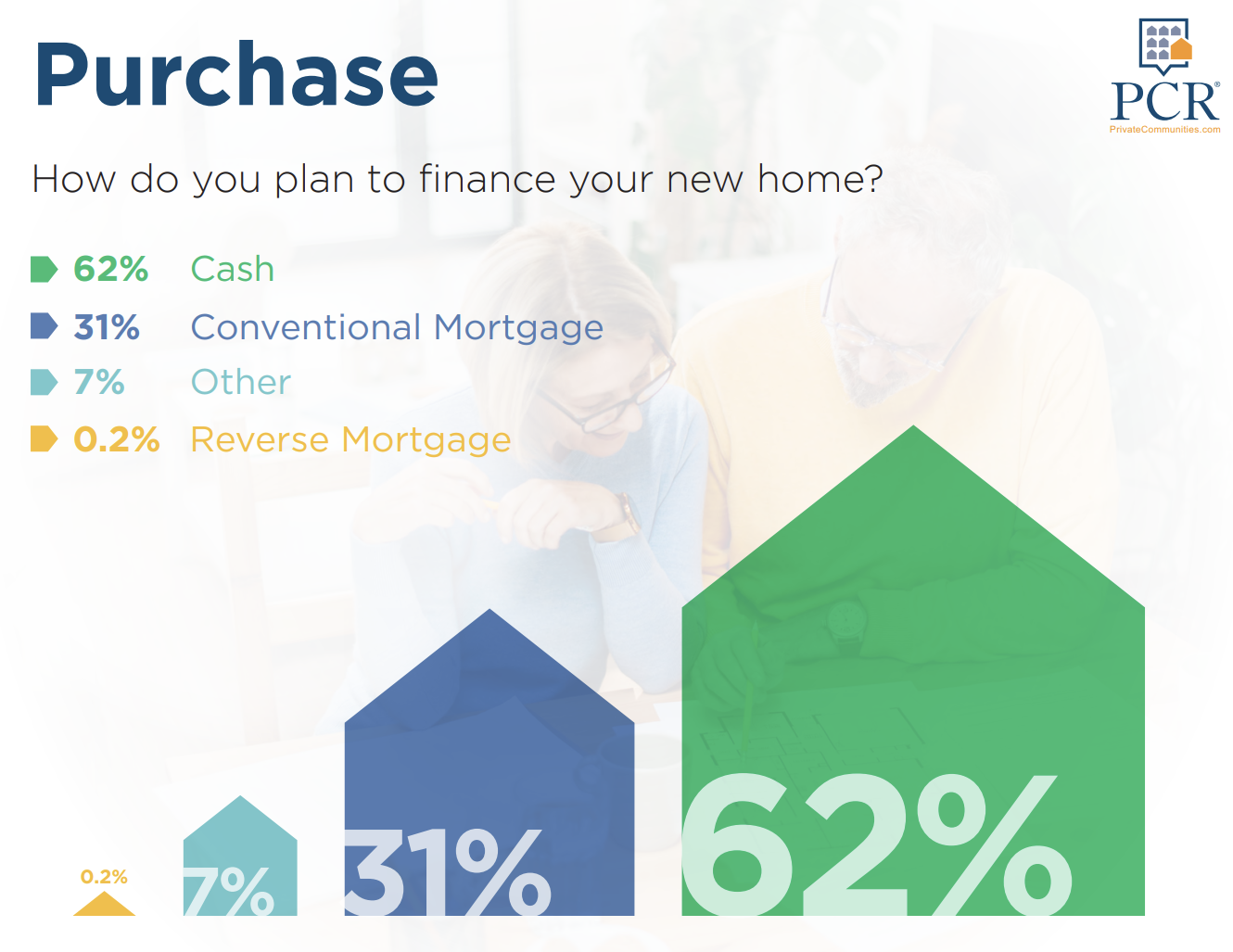
One thing hasn’t changed: financial strength.
More than 60% of buyers plan to pay cash for their next home, continuing a multi-year trend among 55+ homebuyers.
Many are:
- Downsizing from a previous home
- Relocating after retirement
- Purchasing a second or seasonal property
What this means for you:
- You may have more flexibility than you think
- Focus on lifestyle and long-term value—not just price
- Consider how your next home fits your overall financial picture
3. Lifestyle Communities Are Still the Top Choice
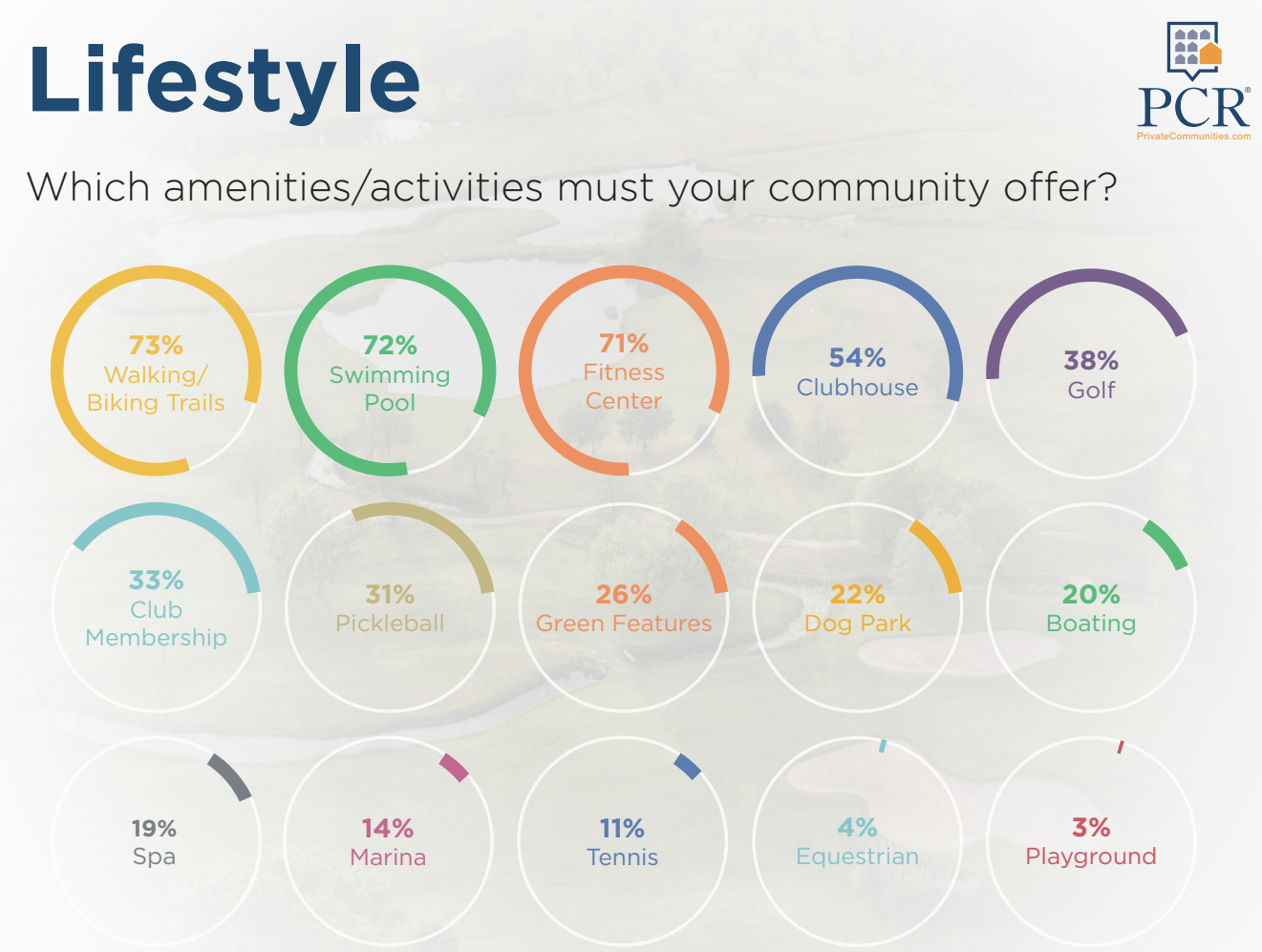
Lifestyle continues to drive decisions.
In fact:
- 62% of buyers plan to relocate to a new state
- Top motivations include retirement (48%) and warmer weather (46%)
When it comes to features, buyers consistently prioritize:
- Walking and biking trails (70%+)
- Fitness centers and wellness amenities (70%+)
- Pools and social spaces
What this means for you:
- Think about your daily lifestyle—not just your home
- Choose a master-planned community that aligns with your interests
- Look for opportunities to stay active and socially connected
4. Low-Maintenance Living Is a Major Priority
Today’s buyers want simplicity.
- 66% of buyers prioritize low-maintenance homes
- Nearly 60% prefer homes between 1,500–2,500 sq. ft.
This reflects a growing trend toward “right-sizing”—finding a home that fits your lifestyle without unnecessary upkeep.
What this means for you:
- Focus on comfort and convenience
- Consider long-term livability
- Look for homes designed for ease and efficiency
5. Online Search—and AI—Are Changing How Buyers Research
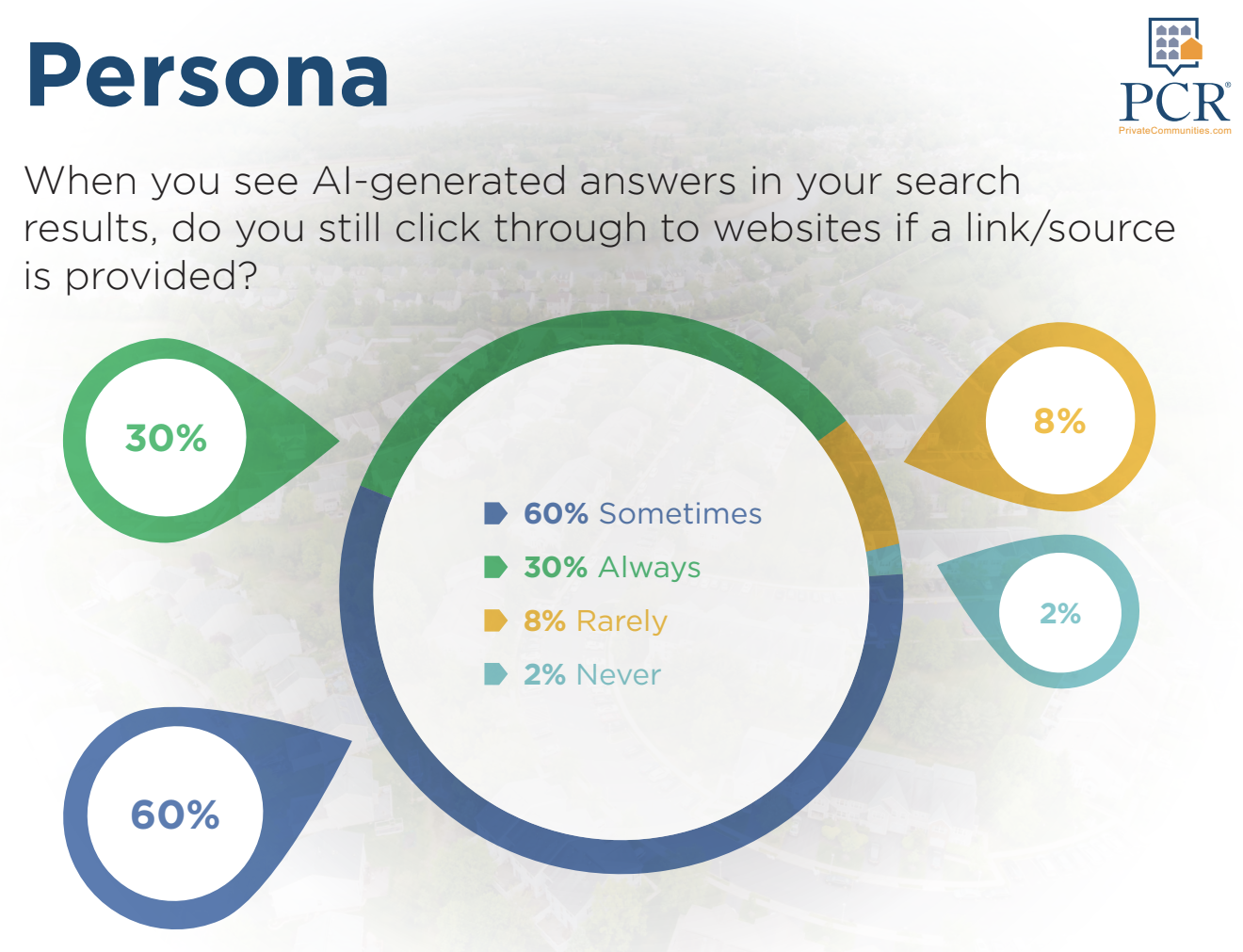
Most buyers begin their search online—and that hasn’t changed.
- 92% of buyers start with online research
- About 1 in 5 are already using AI tools, with many more planning to
But here’s the key takeaway:
Over 90% of buyers still click through to websites to research communities in detail.
AI may help introduce options, but it doesn’t replace:
- In-depth community information
- Photos, amenities, and home details
- Side-by-side comparisons
What this means for you:
- Use AI and search tools to explore—but go deeper
- Rely on detailed community websites to evaluate your options
- Take time to compare before making a decision
6. Many Retirement Buyers Are Open to Relocation
Relocation remains a major trend among active adult homebuyers.
- 62% are planning to move to a different state
- However, a growing number are still undecided—reflecting a more cautious approach
What this means for you:
- Keep an open mind about location
- Explore regions known for 55+ and retirement communities
- Visit top destinations before making a final decision
The Bottom Line for 55+ Homebuyers
Today’s buyers are more intentional—and that’s a good thing.
The data shows:
- Strong demand
- Financial readiness
- A clear focus on lifestyle
But also:
- More research
- More comparison
- More thoughtful decision-making
If you’re exploring retirement communities or active adult communities, take the time to:
- Define your ideal lifestyle
- Research thoroughly
- Compare multiple options
The right community isn’t just where you live. It’s how you live.
Start Exploring 55+ and Active Adult Communities

At PCR, you can explore hundreds of 55+ communities, active adult communities, and master-planned lifestyle communities across the U.S.
Find detailed information on:
- Amenities and lifestyle offerings
- Real estate options
- Locations and surrounding areas
Start browsing communities that match your lifestyle.
Frequently Asked Questions About 55+ and Active Adult Communities
What is a 55+ community?
A 55+ community (also called an active adult community) is designed for adults aged 55 and older, offering amenities, social opportunities, and low-maintenance living.
What’s the difference between active adult and retirement communities?
Active adult communities focus on independent, lifestyle-driven living, while retirement communities may also include additional care options. Explore key differences here.
Are 55+ homebuyers still buying homes in 2026?
Yes. Over half of surveyed buyers plan to purchase, though many are taking more time to research and plan their move.
How are buyers searching for retirement communities today?
Most buyers begin online, and while AI is emerging, over 90% still rely on detailed websites to make decisions.
What should I look for in an active adult community?
Key factors include location, amenities, home design, maintenance level, and overall lifestyle fit.
Is now a good time to move to a 55+ community?
For many buyers, yes—especially with strong inventory and more tools available to research and compare options.
About the Author
With over 20 years of experience as a seasoned content creator, Robert Borges is the senior writer for Private Communities Registry (PCR), specializing in real estate trends and master-planned communities. He works closely with builders, developers, and real estate pros to create helpful content that guides homebuyers in finding the perfect community, ensuring they have the information needed to make confident, informed decisions.